
 4 days ago
12
4 days ago
12
Not sure where to go on your next adventure? We’re sure that this awesome guide of things to do in Kanto will get you inspired for your next trip! One of the eight regions of Japan, Kanto is home to the dazzling capital city of Tokyo and wild landscapes that perfectly contrast the bustle of the city.
This article may contain affiliate links where we make a small commission for purchases you make from links that you click from this article. By purchasing through our links, you support us at no additional cost. Thank you for your support ❤️. For more details, read our disclosure page.
With attractions to keep you busy year-round, it’s a great holiday destination no matter the season. Although we love it the most in spring when the Sakura season starts and the cherry blossoms put on their show. From the frantic corners of the Shibuya Scramble Crossing to the serene trails up Mt Tsukuba – Kanto is suited to the most discerning of travelers.
What You’ll Get Out Of This Article
This handy Kanto guide has everything you need to make planning your next trip a breeze! It includes:
- A guide to the best things to do in Kanto, broken down into things to do in Tokyo and incredible things to experience outside of the capital city.
- Cool day trip destinations you can reach from Tokyo, we show you how to visit the Great Buddha in Kamakura and the hiking trails up Mt Tsukuba.
- Everything you need to know about the most unforgettable attractions in Tokyo, like the Shibuya Scramble Crossing, the Tokyo Skytree, Ueno Park, and Toyosu Market.
- Attractions that are off the usual tourist trail, such as the stunning Yoro Keikoku Valley and Nikko National Park.
- Awesome experiences in the Hakone area that are worth the trip, including the Hakone Ropeway and a cruise along Lake Ashi.
- Hotel recommendations so you don’t have to waste your time reading endless hotel descriptions and customer reviews – you can leave the logistics to us.
- Loads of epic tours we recommend booking in advance to make sure you don’t miss out!
- Tips and tricks that will help you travel around Kanto, as well as the most common travel mistakes visitors make and how to avoid them.
- A handy packing guide with everything you should bring on your trip, including as the answers to all your burning questions about a trip to Kanto.
TOP TIPS FOR TRAVELING TO KANTO
- Where to stay: Stay near Tokyo’s famous Shibuya Scramble Crossing at The Westin Tokyo. We use Booking.com for all our stays and use the Genius discount to get great deals on our hotel bookings. Alternatively, you can always check if hotel corporate codes would work for you.
- Must pack item: Remember to pack a travel adapter!
- Recommended tour: This epic Lake Ashi and Hakone tour from Tokyo is a great whistle-stop tour option of Kanto’s most popular tourist destination for anyone who can’t spend a long weekend in Hakone.
- Car rentals: Some of the destinations on the itinerary are off the beaten track. For those, like the Yoro Keikoku Valley, you’ll need a car. Make sure you know how to save money with car rental coupon codes, and always start your search with Discover Cars and RentalCars so you can find the best deals.
- Flights: Use the Skyscanner “Everywhere” feature to find the best deals from your local airport. Check how much it would be for you to get to Haneda Airport.
- Insurance: Not always required, but always recommended! Make sure you’re covered with the best travel insurance. Our go-to is always HeyMondo for good, all-around coverage at reasonable prices.
- Hottest deals: Never be without our frequently updated travel deals page.
Ultimate Guide For Things To Do In Kanto

Get ready for an epic adventure exploring Japan’s capital city and beyond!
From the bustling streets of Tokyo to lush national parks and hot springs that are off the tourist trail – Kanto is packed with surprises!
Why Kanto Is Worth Visiting
Kanto is most notably the home of the mountainous Kanagawa Prefecture and Japan’s capital city, Tokyo.
The Kanto region is one of our favorites because it is so varied. With Tokyo as your home base, you can go from the busy streets of Tokyo to a quiet hot spring in the mountains in just a few hours.
From observation decks with views of Mt Fuji to ropeway rides over sulphurous volcano craters or boat rides across epic lakes – we’ve found the best things to do in the region.
Our Favorite Hotels In Kanto
For the Kanto region, we’ve picked out two of our top hotels in Tokyo and two in Hakone:
- Masutomi Ryokan: This awesome traditional ryokan in Hakone is less than a 10-minute walk from the city’s main station, Hakone-Yumoto. Their rooms include breakfast and dinner, so you can save some money on eating out. There’s also an onsen on the rooftop that you can rent for your private use.
- Hotel Green Plaza: The hotel is in the Hakone region, tucked away from the city streets in the surrounding mountains. It’s our top pick for couples on a romantic getaway, and it even made it onto our Romantic Things To Do In Japan For Couples Guide. It is one of our favorites because the hotel is home to one of the area’s most famous hot springs, which stand out against the region’s other hot springs thanks to their epic Mt Fuji views.
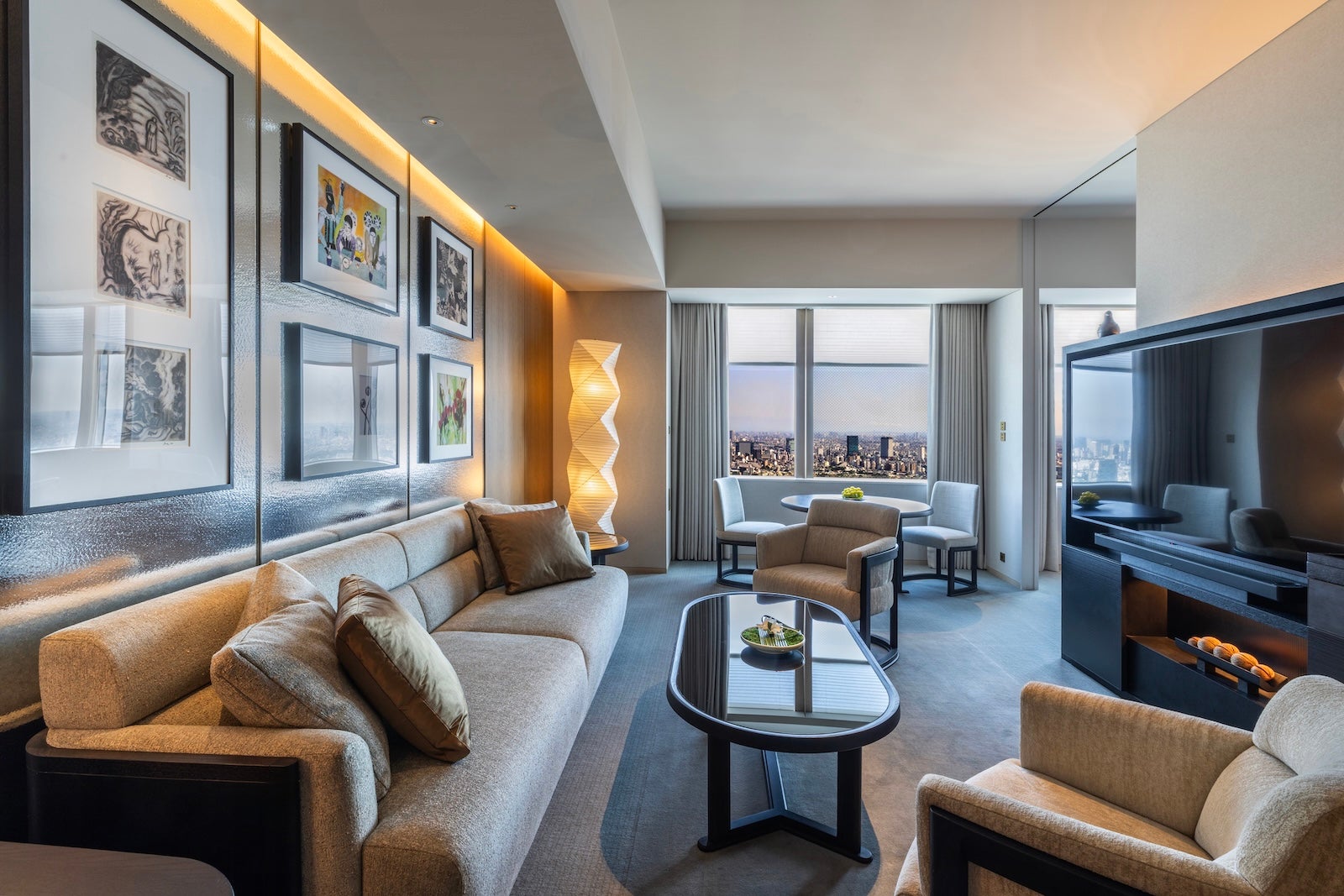
- The Westin Tokyo: This hotel in Tokyo is strategically located between Ebisu and Shibuya. You’ll be within walking distance of awesome attractions like the Shibuya Scramble Crossing and overwhelmed with the choices of places to eat around you. We love how high-end the rooms at the Westin are!
- Hotel Empire: For any travelers visiting Tokyo on a small budget, this is our top pick. The hotel is in the Shinjuku neighborhood, so there’s loads to do nearby, but you’ll save a bucket-load on your accommodation. The hotel is also just a 3-minute walk from the JR Shin-Okubo Train Station, ideal for getting to other parts of the city and the rest of the region.
Top Things To See in Kanto
 Tsurugaoka Hachimangu, Kamakura
Where Is The Kanto Region

Kanto is one of Japan’s 8 regions. It’s found on Japan’s main island, Honshu, and includes seven prefectures. It’s also home to the country’s capital, Tokyo. Because of this, it’s one of the most populated regions of the country and a major influencer in culture and the economy.
There are seven prefectures within the boundaries of Kanto: Kanagawa, Chiba, Saitama, Tochigi, Gunma, and Ibaraki. The most popular ones with the most things to do are Kanagawa and Gunma.
- Hokkaido offers wide-open wilderness and winter sports.
- Tohoku is famous for its onsen towns like Ginzan and Nyuto.
- Chubu holds the Japanese Alps and Nagoya.
- Kanto is home to Tokyo and Yokohama.
- Kansai is famous for Kyoto, Osaka and Nara.
- Chugoku includes Hiroshima and Okayama.
- Shikoku is known for its island pilgrimages.
- Kyushu blends volcanic landscapes with hot springs.
To help you plan your itinerary, we’ve separated our top things to do in Tokyo and then everything you can do beyond the capital city. It is likely to travel to Tokyo first, then venture further afield from there, making this the perfect way to start your plans!
Tokyo is a great city to experience as a bustling metropolis, and to dive into Japan’s quirky subcultures, like manga. The neon billboards and towering skyscrapers feel ultra-modern, so it is less suited to anyone who prefers the company of nature.
But Kanto can’t just be reduced to its capital, and we think it’s a real shame that travelers rarely explore the region beyond Tokyo. From mountain towns at the base of Mt Fuji to national parks with macaque monkeys and an endless number of hot springs to choose from, Kanto has it all.
Discover Japan’s Capital City, Tokyo

Tokyo is a bustling city with loads of character and is the place to be if you love packing your trip to the brim with sightseeing. From the city’s epic observation decks with sprawling views such as Tokyo Skytree, to the lively streets of neighborhoods like Akihabara and Shibuya, there’s always something more to see in Tokyo.
It’s also our top pick for any foodies traveling to Kanto. Nowhere else will you find so many food stalls, ramen restaurants, and food markets. We suggest putting your tastebuds to the test and trying everything!
Bring your sense of adventure and get ready for an awesome city break!
Take in the cityscape views from the top of the Tokyo Skytree
 Image via Flickr by Kadek.Kucharski
There are loads of iconic observation decks in Tokyo, so picking between them can be tricky. One of our personal favorites is the Tokyo Skytree. It is in the city’s Sumida neighborhood, but you can see it from lots of points in the city (and even catch glimpses of it from other observation decks!).
This 2,080-foot-tall television broadcasting tower isn’t for the faint-hearted! There are two observation decks to choose from, or you can get the best of both worlds and visit both. The lower deck, the Tembo Deck, is 1,148 feet above the ground and isn’t quite as vertigo-inducing as the second deck, Tembo Galleria, which towers at 1,476 feet.
 View from Shibuya Sky
Another fabulous spot to get skyline views, we also recommend the new Shibuya Sky. The views from up here are impeccable and includes a light show at night and designated photography spots with various corners.
If you want to visit more of Tokyo’s awesome observation decks but you aren’t sure which are worth visiting, find out all about them in our Where To Find The Best Observation Decks In Tokyo guide.
Wade your way through the crowds at Shibuya Crossing

Rumored by some to be the busiest intersection in the world, the Shibuya Scramble is a chaotic crossing in the city’s bustling Shibuya neighborhood is a hot contestant for New York’s craziest intersections. With more than 3,000 people crossing at any one time, it’s easy to get swept away by the crowds!
The best time to see the crossing is at rush hour when people are rushing to and from work. This is when the crossing is at its busiest, so you can get a real sense of how chaotic the crossing can get.
It’s important to know that even at its busiest, the crossing is very safe. Everyone is respectful, and there’s no risk of getting shoved or run over.
If you’re not a big fan of crowds but would love to get a great view of the intersection from above, there’s Crossing View & Rooftop Lounge Mag8 (aka Shibuya Crossing View). This is at the top of the Mag8 building and has perfect sightlines to the crossing below. What makes it attractive is that it’s paid and so few people make it up there.
We feature this and many other Tokyo suggestions in our 10 day itinerary of Japan for first timers.
See the Sakura season in all its glory at Ueno Park

We were blown away when we arrived at Ueno Park during the Sakura season, seeing the waves of pink petals stretched out in every direction, we felt submerged in a sea of pink flowers. With more than 1,200 cherry trees in its confines, Ueno Park is our favorite place to see cherry blossoms in bloom in Tokyo.
There’s more history to the park than meets the eye. The first cherry blossom tree was planted here some 400 years ago by the priest Tenkai, who brought a tree from the famous Mt Yoshino.
Between late March and early April, the park hosts its annual Ueno Cherry Blossom Festival. The exact dates of the festival change each year depending on when the blossom blooms. It’s an incredible time to visit the park, especially at night when it is lit up in the soft glow of the 800 lanterns that are hung from the trees’ branches.
Set aside a good few hours for your visit. Hanami, the practice of stopping to admire the transient beauty of the flowering cherry trees, is an integral part of Japanese culture that should be savored, not rushed!
Hoping to discover more hanami spots whilst you’re in Japan? Then check out our Ultimate Guide to Cherry Blossoms in Japan guide!
Dive into the city’s manga culture in the Akihabara neighborhood

Manga is a big part of Japanese culture, and for anyone visiting for the first time, a day exploring the energetic streets of Akihabara is a must. Known as the city’s manga headquarters, the district is a maze of buildings covered in neon billboards.
Nowhere is the area’s nickname, ‘Electric City,’ more appropriate than at the Sony Plaza, which is especially dazzling at night.
Weave your way through the neighborhood, hopping between manga stores selling collectable memorabilia and manga-themed clothes. Make sure you check out the Mandarake Complex, it’s a really unique place to go souvenir shopping!
Before you leave, head to the Tokyo Anime Center and find out more about how manga has become such an influential subculture. It’s a great district to explore with kids, which is why it made it onto our Ultimate 3 Day Tokyo Itinerary for Families.
Watch the exciting tuna auction at Toyosu Market

The relatively new Toyosu Market replaced the old Tsukiji Market. Every day, the market comes to life and is where the city’s infamous tuna auctions take place. If you consider yourself a foodie, it’s an experience you can’t skip!
Even though you can’t walk through the auction space anymore, there are plenty of viewing spots you can look from. We recommend watching from the Observation Deck; it’s close enough that you can still hear what’s going on inside the market, which is why we prefer it over the Observation Windows. Make sure you read our guide on How to Apply to Toyosu Fish Market Tuna Auction to get a spot.
After the auction, which runs from about 5:45 AM (it’s a very early morning unfortunately, so forget about trying to have a lie-in!) to 7 AM, head to the sushi restaurants in the Fish Intermediate Wholesale Market Building, on the Toyosu Gourmet floor. Our top picks are Nakaya, which has amazing chirashi (sashimi on a bowl of rice), or Daiwa Sushi, which has the best sushi in town!
Explore Kanto’s Hot Springs and Mountain Landscape
 Hakone-Yumato town
As much as we love Tokyo, there’s more to Kanto than just the capital. Beyond the city you will find lush mountain landscapes, cozy hot spring towns, and elaborate temples! Even if you don’t have a lot of time, there are plenty of destinations you can travel to in just a weekend or even as a day trip from the capital.
Explore the temples and natural wonders in Nikko National Park

Nikko National Park rarely makes it onto travel guides, which is a real shame! The park’s breathtaking mountain landscape, historical temples, and magical Kegon Waterfall are enough to win over even those experienced travelers who are sure they’ve seen it all.
The town of Nikki, at the entrance of the national park, is a gateway into the surrounding landscape and a great place to start exploring. The town has been a center of Shinto and Buddhist mountain worship for centuries, and is home to incredible shrines and temples. The most famous temple is the lavishly decorated Toshogu Shrine, which absolutely blew our minds. Dedicated to the samurai leader Tokugawa leyasu, the facade is covered in intricate carvings and gold and is incredibly well preserved. It actually opened in 1617, making it over 400 years old!
Another thing that makes the area so special is that it is home to families of macaque monkeys, which locals call snow monkeys due to the months they spend in the snow-covered areas of the region.
If you want to meet the monkeys firsthand, you will need to hop on the Kinugawa Ropeway to travel an impressive 300 meters in just three and a half minutes. When you step off, you’ll find yourself in the Osarunoyama Monkey Park, where you’ll be greeted by the fluffy snow monkeys that call the park home!
Test your vertigo overlooking Jigoku Nozoki
 Image via Flickr by dudegeoff
The famous cliffs of Jigoku Nozoki are at the summit of Mount Nokogiri in the Chiba Prefecture, which is also home to the Nihon-ji Temple. Nicknamed the Peep Into Hell, the views over the sharp drops of the cliff below will certainly get your heart pumping!
It feels like you are at the edge of the world as you leaned over the banisters across the views of Tokyo Bay, Mt Fuji, and the Boso Peninsula. It’s a sight you won’t forget in a hurry.
There are a few ways to reach the summit, so don’t panic if you’re not a hiker. The Nokogiriyama Ropeway cable car is a great way to reach it. There are also loads of hiking trails to choose from if you are someone who doesn’t mind a steep hike. One of the best is the Shariki-michi Trail. You’ll get to pass through some of the exposed rocks that were mined during the Edo Period, when the area was a big quarry.
Don’t leave the area before you go and see the Great Buddha statue etched into the rock at the Nihon-ji Temple. The stone statue is 30 meters tall and is the largest in Japan!
Travel to Kanto’s Pallet Town

Okay, admittedly, this is a slightly bizarre travel destination, but it wouldn’t be right to write a Kanto guide without mentioning Pokémon. This is because the region was the first to introduce the Pokémon franchise in Japan, so it is popular amongst gamers.
In the game, there’s a fictional town called Pallet Town. Although it doesn’t exist in the real world, Pallet Town is a sleepy town along Kanto’s shores, known for hosting Professor Oak’s lab and being the hometown of some iconic Pokémon trainers.
What’s interesting is that Yomiuriland Amusement Park in Tokyo is opening it’s own PokéPark KANTO and is opening February 5, 2026. Here, “trainers” (visitors) will be able to visit 2 different themed rides and explore a Gym, Pokémon Center and have an opportunity to buy merch at the Trainer’s Market.
Visit Kusatsu Onsen
 Yubatake Onsen
This adorable small town is one of Japan’s most famous hot spring resorts. People come to Kusatsu from all over, and many believe that the sacred hot springs in town can cure every illness, apart from heartbreak!
Anyone in need of some TLC can spend the day soaking in the town’s luxurious onsens. There are a number to choose from, but some of the best are the Sainokawara Rotemburo, Gozanoyu, and Otakinoyu. Even if you decide not to go into a bathhouse, you can enjoy the town’s outdoor foot baths that are available for anyone to use.
Nestled in the mountains in Kanto’s Gunma Prefecture, it’s a great destination for nature lovers. You can go skiing in the surrounding mountains in winter, or hike the many trails that decorate the mountainside in the summer.
Take on the epic Hakone Ropeway

Hakone is a famous hot spring city in a mountainous region not far from Mt Fuji in the Kanagawa Prefecture. It’s a great spot to see the iconic peak from, but there’s more to Hakone than just the views. One of our favorite ways to explore the area is the Hakone Ropeway, which is part of the Hakone Loop, and part of the Fuji-Hakone-Izu National Park.
The journey starts at Gora Station, which is easy to reach by train. From there, we took the Tozan Cable Car to Sounzan Station. This epic cable car runs every quarter hour and takes 10 minutes. It’s from here that the Hakone Ropeway starts.
The ropeway carries you across the crater of Mount Hakone volcano. Below you grey sulfur geysers are erupting and releasing smelly spouts of sulfur fumes! Once you get past the heavy egg smell, it’s pretty awesome!
On a clear day, you can see Mt Fuji in the distance and at the end of the first leg of the ropeway, you’ll be dropped off at the Owakudani Station. Make sure you try the black eggs they sell from Owakudanil. These are boiled in the sulfurous springs around the volcano, so they do stink, but legend has it a single egg adds a whopping 7 years to your life expectancy – it’s got to be worth a go, right?
The second stretch of the Hakone Ropeway travels down the volcano to Togendai Port. It’s 4 kilometers long and is one of the world’s longest ropeway rides. The views from here are understandably epic.
Go on a romantic cruise along Lake Ashi on a pirate ship
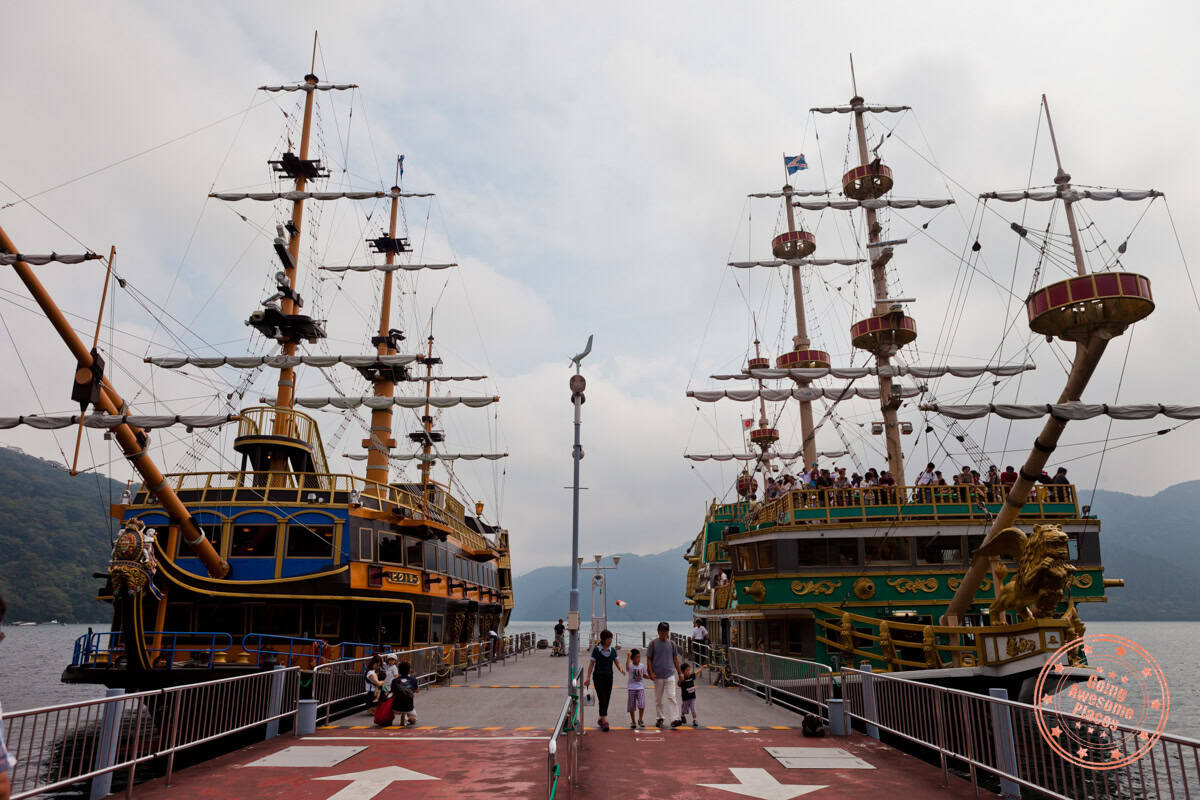
Traveling with your partner? Then this amazing cruise along Lake Ashi (also known as Lake Ashinoko) is a must. The boats are modeled on traditional pirate ships, which adds a flair to the whole experience. The great thing is you can combine it with the Hakone Ropeway, as the cruises depart from Togendai Port.
One of the reasons the cruises are so magical is due to the impressive views of Mt Fuji in the distance. The momentous 12,388-foot mountain looms in the distance, and on clear days, you can see it reflected on the lake’s surface. In fact, we were so impressed by the views that Lake Ashi made it onto our The Best Places To See Mt Fuji In Japan guide.
The boat trip takes about half an hour, and towards the end you’ll catch sight of the enormous Jinjya Heiwa-no-Torii gate in the distance. It juts out of the water and marks the location of the Hakone Shrine, hidden amongst the trees behind the torii gate.
Spend a relaxing weekend going to Hakone’s best hot springs
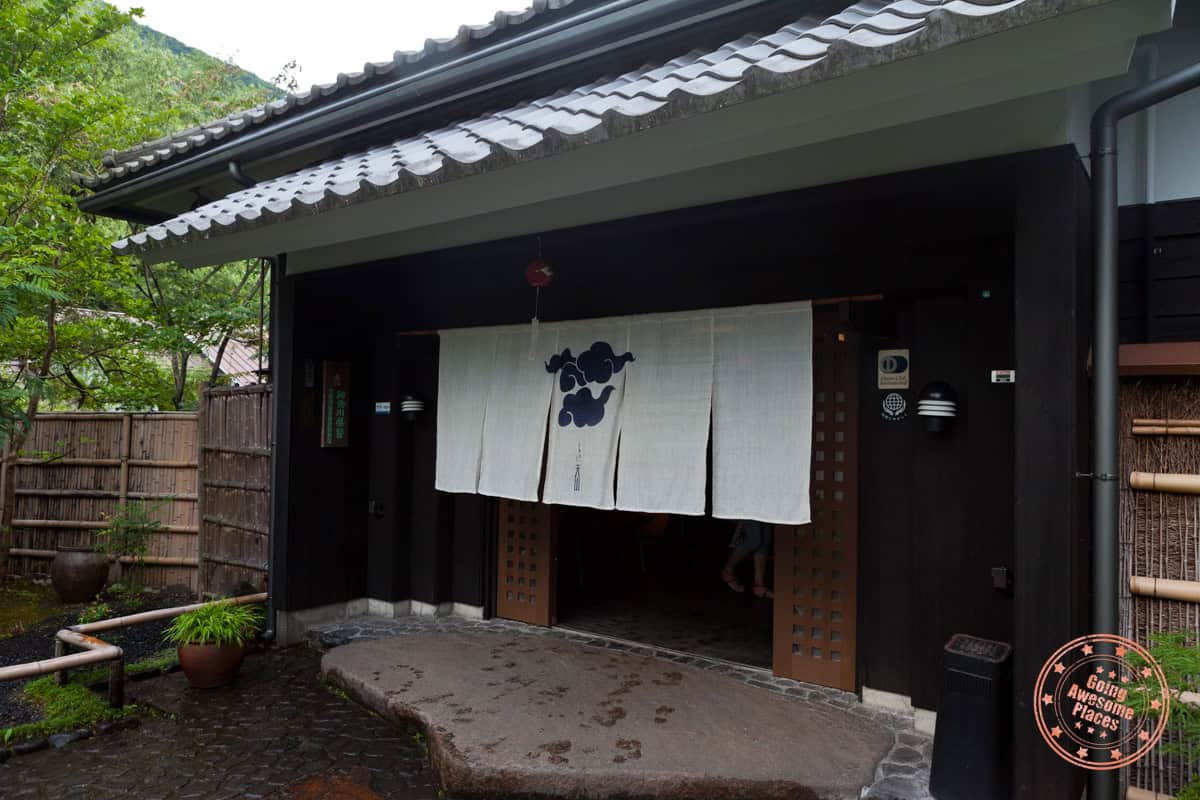
One of the best things about Kanto is the hot springs in the Hakone area. Legend says the onsens there have healing powers, and as one of the hot spring resorts in the area, Miyanoshita, dates back all the way to the Edo period, you quite believe it! You can find out more in our Ultimate 2-Day Hakone Itinerary – Side Trip From Tokyo guide.
On one of our first trips to Hakone, we visited Tenzan and as a first-timer, it was quite the magical experience.
Throughout history, many travelers, including noblemen and samurai, would pass through Hakone along the historic Tokaido road and stop to recoup at the public bathhouses. As well as being a cool part of the local history, the onsens are also just great for chilling.
We also think it’s a romantic day out for couples. If romance is what you’re looking for, then there’s no better choice than Hotel Green Plaza. Their outdoor onsen has views of Mt Fuji in the distance, and you can book an overnight stay at their hotel to enjoy the hot springs in the evening when all the day visitors leave. Our Ultimate Guide To The Most Romantic Things To Do In Japan For Couples.
Hop over to Kamakura to see the giant Buddha

Once an influential city between the 12th and 14th centuries, Kamakura is still a popular destination thanks to its impressive temples and historical monuments. Located within the Kanagawa prefecture, it’s a great day trip destination from Tokyo.
Absolute must-sees in the city include the bustling Komachi Dori, a vibrant street dotted with souvenir shops and some of the best bakeries we’ve eaten at in Japan. Make sure you try the matcha ice cream from Kamakura Chacha, it is incredible.
Next, head to the Tsurugaoka Hachimangu Shrine. The original shrine was founded in 1063 and then moved to the current site in 1180. Vibrant torii gates mark the entrance to the shrine, as well as the two ponds and their surrounding gardens. Make sure you don’t leave without seeing the giant bookcase of sake barrels – it’s an awesome spot for taking photos!
Finally, check out the city’s famous Great Buddha of Kamakura. We’ve saved the best for last on this occasion, and we promise that this 11.3-meter-tall bronze statue of Buddha won’t disappoint. Read our Kamakura Day Trip From Tokyo Itinerary to get the most out of your time there.
Make a day trip to Yokohama

Yokohama stands out in Kanto for its laid-back coastal vibe and striking waterfront skyline. The city blends modern architecture with wide-open bay views, giving it a refreshing atmosphere that contrasts nicely with central Tokyo. Its signature district, Minato Mirai 21, is known for towering landmarks, seaside promenades, and one of Japan’s most photogenic Ferris wheels — a great area to appreciate the city’s futuristic charm.
The city is also famous for Yokohama Chinatown, the largest in Japan and a paradise for food lovers. This colorful neighborhood buzzes day and night with steamed bun stands, dim sum restaurants, and rows of lantern-lit storefronts. It’s one of the best places in Kanto to explore a multicultural food scene in a single walk.
For a slower pace, Yamashita Park and Osanbashi Pier offer some of the most beautiful waterfront views in the region. Locals flock here for open-air concerts, weekend strolls, and sunset photography. The sweeping, wooden rooftop of Osanbashi — designed to resemble rolling waves — is especially famous for its picture-perfect lookouts of the harbor.
Yokohama’s creative side shows in attractions like the Cup Noodles Museum, which highlights the city’s playful approach to culture and innovation. Combined with its seaside charm, diverse food scene, and iconic skyline, Yokohama is one of the most well-rounded urban escapes in Kanto.
Foodie heaven in Kichijoji

Kichijoji is beloved among Tokyo locals for its warm neighborhood feel, creative energy, and incredible food culture. It’s a place where independent shops, cozy cafés, and artisanal dessert stalls thrive — giving the area a distinctly laid-back charm. One of the most unique corners of the neighborhood is Harmonica Yokocho, a lively network of tiny alleys filled with yakitori counters, sake bars, and snack spots that spill into the streets.
Food lovers will also appreciate the dense cluster of bakeries, street food stands, and sweets shops around Kichijoji’s central shopping streets. Local favorites like Kurikoan serve inventive taiyaki flavors that keep people coming back, making the area one of the best destinations for casual, on-the-go eating in Tokyo. The mix of traditional treats and contemporary cafés gives the neighborhood a fun, youthful energy.
But Kichijoji’s appeal isn’t just about food. Inokashira Park brings a refreshing natural escape right in the middle of the city. Its pond, greenery, and cherry blossom displays make it a beloved spot for weekend picnics, seasonal festivals, and peaceful morning walks. The nearby Ghibli Museum adds a touch of whimsy and creativity that fits perfectly with the neighborhood’s artistic spirit.
Kichijoji’s blend of great food, green spaces, and hip local culture makes it one of Tokyo’s most lovable suburbs — a perfect stop for anyone wanting to experience a softer, more relaxed side of the city while still enjoying plenty of delicious treats.
Step off the tourist trail and visit Mt Tsukuba
 Image via Flickr by toyohara
Few people visit the Ibaraki Prefecture, but it’s worth it to see Mt Tsukuba. Even though the mountain is in the Ibaraki Prefecture, it’s not far from Tokyo, so is a popular hiking spot amongst the capital’s locals. You can reach it in just 45 minutes from Tokyo’s Akihabara Station on board the Tsukuba Express Line.
The mountain has two twin peaks that loom over the landscape. One of them, Nyotaisan, reaches 877 meters tall (making it just six meters taller than its sister peak). Considered a sacred mountain, the nearby Tsukubasan Shrine was built for its devotion.
We came here eager to hike to the top and took the intermediate Otatsu-ishi Course. There are harder trails, like the Miyukigahara Course, and easier routes like the Mountaintop Connection Trail. The views of the Kanto Plain from the top are amazing, so make sure you bring a good camera along!
Visit the mighty Fukuroda Falls
 Image via Flickr by t.kunikuni
Hidden in the remote hills in the Ibaraki Prefecture are the stunning Fukuroda Falls. We were blown away by the 120-meter-tall cascades that roared down the landscape. Even though we couldn’t make it that time of year, we heard from locals that the falls are especially beautiful in autumn when the surrounding forest turns vibrant hues of red, orange, and yellow.
Winter is a great time to come too, when the waterfall completely freezes over. We were there in early summer and enjoyed getting out of the heat of the city. The refreshing waterfall mist splashing off the rocks did a great job of cooling us down!
There is a small cluster of restaurants and souvenir shops at the start of the short trail to the waterfall. From there, you’ll walk for a few minutes along a pedestrian path and through a tunnel before reaching the observation platforms.
For the best photos, head to the top observation decks, where you can see all four tiers of the falls.
Spend an unforgettable day exploring the Yoro Keikoku Valley
 Image via Flickr by Tanaka Juuyoh
In the Chiba Prefecture of Kanto is the Yoro Keikoku Valley. Another destination off the beaten track, this awesome valley is dotted with gorgeous waterfalls and epic hiking trails. It’s a great day trip for any nature lovers who are eager to immerse themselves in nature.
Because so few people know about it, you won’t have to share the valley with loads of other travelers – it’s a win-win!
The area is especially beautiful in the fall season when all the trees’ leaves turn vibrant hues of red and orange. The whole valley becomes a photographer’s dream. One of the coolest things to photograph in the area is Awamata no Taki, Chiba’s biggest waterfall. A whopping 30 meters tall, the fall cascades onto a cluster of stair-like rocks below.
Another popular thing to see in the valley is the Shusse Kannon Rikkoju Temple. Built in the 12th century, it was frequented by military commanders praying for success in battle. To reach it, you’ll cross over the scenic Kannon Bridge with views of the temple and river below.
Activities We Recommend You Book
Kanto is a popular region of Japan, so tours and experiences can get booked up pretty quickly. Don’t miss out by booking these awesome tours in advance – let’s go!
- This epic Nikko private day tour from Tokyo is a great way to explore Nikko hassle-free. Let the local experts do all the planning, and enjoy visiting the Toshogu Shrine and Kegon Falls. You’ll stop at some great photography spots along the way, like Lake Chuzenji.
- Don’t miss out on the best views of Mt Fuji and book this Lake Ashi and Hakone tour from Tokyo. It’s a great option for anyone who can’t spare a few days to explore all of Hakone but wants to go on a whistle-stop tour of the area.
- Get your Tokyo Skytree observation deck tickets here. The admission fee to the Tembo Galleria is included in the price, so it’s a steal. Grab them quickly before they sell out!
- This day tour of Kamakura and Enoshima Island is super budget-friendly! Learn about the ancient Samurai culture along the way and visit iconic landmarks like the Tsurugaoka Hachiman Shrine. Stroll along Komachi Street, try Japanese snacks, visit the Great Buddha, and wrap up the day on Enoshima Island.
- Want to do something out of the ordinary? Then book this Sumo show that comes with a chicken hot pot cooked by sumo wrestlers! It’s a great fit for foodies and culture fanatics alike.
- Skip the hassle of trying to figure out Toyosu Market’s bizarre lottery system. Book this amazing Toyosu and Tsukiji Market Adventure instead! It includes the tuna auction experience, plus you’ll get to go to the Tsukiji Outer Market (which is still booming!) afterwards and try fresh seafood dishes from the market stalls.
Go Deeper In Kanto
- If you want to visit more of Tokyo’s awesome observation decks, find out all about them in our Where To Find The Best Observation Decks In Tokyo guide. We’ve included everything you need to know about 8 awesome observation decks in the city, including how to get tickets, opening times, and much more! The Tokyo Tower is definitely one you should check out if you’re short on time and can’t visit them all.
- If you loved the sound of the Hakone Ropeway and the pirate ship cruise along Laki Ashi then you have to read our Ultimate 2-Day Hakone Itinerary – Side Trip From Tokyo. It includes a handy day-by-day guide of the region and includes a detailed explanation of the Hakone Loop and how we recommend doing it. You’ll also find hotel recommendations and loads of other cool spots you should visit in Hakone.
- Looking for cool day trips you can add to your Tokyo itinerary? Then our Kamakura Day Trip from Tokyo Itinerary is a must-read. We’ve packed all the city’s top attractions into an easy-to-follow guide that includes the famous Great Buddha.
- Food is an important part of traveling, and Japan has some especially mouth-watering dishes that you have to try. One of our go-tos is ramen. Warm and hearty, it’s a comfort food that you can always rely on. Don’t travel to Kanto without checking out our Best Ramen in Tokyo, Japan – From Michelin Star To Unexpectedly Mind Blowing guide!
- There are so many types of street food in Japan that figuring out what’s what can take a while. Save yourself time by reading our The Best Kichijoji Food – Must-Try Tokyo Street Food so you know what to look out for on your travels.
- We know that traveling with kids comes with its own challenges (and joys!), which is why we’ve written The Ultimate 3 Day Tokyo Itinerary For Families. Packed with kid-friendly things to do in the city and top tips for exploring Japan’s capital with kids, it’s a great read that will get you excited about your next family holiday.
- Haven’t found a hotel yet? Don’t panic, our Where To Stay In Tokyo – A Guide To The Best Hotels And Neighborhoods includes heaps of epic hotels and hostels suited to all kinds of travelers and budgets. It also includes a whistle-stop tour of each of Tokyo’s neighborhoods so you can make the right choice about where to stay without having to spend hours doing research.
- Our awesome Toyosu Fish Market Guide – Is It Worth It And What You Need To Know Before Visiting is a deep dive into the new market, which replaced Tsukiji Market. We go into where you should head to for the best views of the tuna auction, what time you need to wake up by, how to get there, and where to eat the best sushi after the auction.
Our Best Kanto Travel Tips

When is the best time to go to Kanto:
The best time of year to visit Kanto really depends on what you want to do while you’re there. Generally, the most popular times of year to visit Japan are spring and autumn, when people flock in to see the gorgeous cherry blossoms during Sakura season or experience the vibrant autumnal colors.
One drawback of visiting in spring and autumn is that because it’s the peak season, hotel prices tend to go up and flight prices can skyrocket. If you’re traveling on a tight budget, you might want to consider visiting in summer instead.
Winter is a great time to visit Kanto if you’re traveling to Tokyo or Hakone and you want to increase your chances of seeing Mt Fuji. The elusive mountain peak is often surrounded by cloud cover, so many tourists leave disappointed without catching a glimpse of the breathtaking snowy peak.
The best time to go to Tokyo’s observation decks and Hakone’s many viewpoints is in winter when the visibility around the peak’s summit tends to be at its best.
What you shouldn’t miss in Kanto:
There are loads to see and do in Kanto, so deciding what to prioritize can be a challenge! If you’re short on time and can’t do it all, then make sure you visit the Tokyo Skytree for epic views over the city and take a stroll through Ueno Park, which is especially beautiful during Sakura season.
You should also set a day aside to go on a day trip to Kamakura. Our absolute favorite attraction in the city is the giant bronze statue of the Great Buddha.
Hopefully, you have a little more time on your hands and can make your way to Hakone, a gorgeous hot spring city in the mountains that is perfect to immerse in nature and healing hot springs. It’s hard to beat the views of the erupting volcano geysers from the Hakone Ropeway, and nothing is quite as romantic as a cruise along Lake Ashi with views of Mt Fuji in the background.
Top tips for traveling in Kanto:
- Remember to leave at least two nights to explore the Hakone region in the Kanagawa Prefecture. There’s so much to do in the region, and rushing it would be a real shame. To save you traveling back and forth to Kanto, we recommend combining it with a visit to Tokyo.
- Set off from Tokyo as early as possible for Hakone so you can enjoy sightseeing on the first day. The best way to get there is by train, and we recommend getting a Japan Rail Pass (JR Pass). You can find out more in our Ultimate 2-Day Hakone Itinerary – Side Trip From Tokyo.
- To get from Tokyo to Hakone, take the Shinkansen bullet train to Odawara, then jump on a regular train from there to Hakone-Yumoto. The trip takes about an hour in total.
- For a trip in the Kanto region, fly into Tokyo’s Haneda Airport instead of Narita Airport. Although Narita Airport is bigger, it’s further from Tokyo, so it’s not as easy to get to your hotel from.
- Check out our Ultimate Tokyo Food Guide in Japan to find the best spots to eat and learn about the most delicious local dishes! We also have a Best Ramen in Tokyo, Japan guide if you’re a ramen fan. Remember to check out our How to Eat Ramen in Japan guide so you know all the unspoken rules and right etiquette – you don’t want to offend your chef accidentally!
- Wondering where to stay in Tokyo? Our Where To Stay In Tokyo Guide has got your back! With options suited to every budget, you’re guaranteed to find your perfect home away from home.
How to get around Kanto:
One thing we love about Japan is how great the public transport is. There are lots of train networks across the Kanto region, and the buses and subways are always on time and super reliable. In fact, unless you’re venturing into more wild areas of the Kanto region, you can easily travel without a car.
To get around Kanto, you’re going to need an IC Card. There are a few on the market, but our top pick is the Suica Card. You can use it on the buses and subways in Kanto’s cities and even on trains around the region! There are day-ticket options, of course, but we don’t recommend them because they tend to work out more expensive in the long run.
Google Maps is a great app for navigating. It has up-to-date information on transport schedules and flags if there are any major disruptions you should be aware of. Check out our 12 Of The Best Apps For Japan Travel to find out what other apps you should download ahead of your trip.
Wondering how to get between Tokyo and Hakone, our favorite cities in Kanto, then check out our Ultimate 2-Day Hakone Itinerary – Side Trip From Tokyo, where we break down all the best options, like the Shinkansen bullet train.
If you’re out late and need a quick way back to the hotel, you can use familiar apps like Uber and DiDi. There’s also the taxi app GO. To give you an idea of prices, taxis in Tokyo cost about $3 per kilometer, but tariffs vary depending on the area, size of your car, and time of day. Expect to pay about 20% more after 10 PM.
Common travel mistakes:
- Don’t overpack your schedule. It’s tempting to try and see everything Kanto has to offer in one trip, but unless you’ve been saving up your annual leave for years, you’re unlikely to have enough time. Avoid travel fatigue by choosing destinations that are closer together. Have a read of our The Art Of Trip Planning guide to learn all our tips and tricks!
- A word of warning about the Toyosu Fish Market: The new market where the tuna auctions take place is better because it’s much less squished, but they do have a lottery ticket system you need to navigate. Make sure you read our How To Apply To Toyosu Fish Market Tuna Auction Observation Deck Lottery guide and do a trial run before your trip.
- Lots of travelers think the Sakura season takes place at the same time each year, when really it is super changeable and depends on lots of factors like the climate and rainfall that year. Make sure you don’t miss the best of the Sakura season by using this helpful Sakura forecast map.
- Lots of people don’t know about the awesome Hakone Free Pass. Don’t make the same mistake, and make sure you buy this handy pass that covers all the boat and train rides on the Hakone Loop. The best bit? It also covers the Hakone Ropeway; you just need to show it at each stage.
Our Kanto Packing Guide
From cities to volcanic landscapes, Kanto can be tricky to pack for because it’s so varied. But don’t worry — we’ve got your back! Here’s a guide with everything you should bring along:
- Comfortable shoes: Hakone’s outdoor activities will involve lots of walking, so pack your comfiest trainers or even some lightweight hiking boots. If you’re visiting in the summer, you might want to bring hiking sandals instead.
- Pack a warm jumper: Because Hakone is in a mountain region, it can get a little chilly early in the morning and late at night.
- Bring a lightweight raincoat: We’d also recommend bringing a raincoat, especially if you’re visiting in autumn. October is the rainiest month of the year in Japan.
- Bring your best camera: Going to Japan is a once-in-a-lifetime opportunity! Consider packing other accessories like selfie sticks and camera hood lenses, too.
- Bring some binoculars: That way, you can zoom in on Tokyo’s awesome landmarks when you’re at an observation deck and get a closer look at the volcanic geysers beneath you when you’re on the Hakone Ropeway!
- Remember to pack a travel adapter: You’ll need a two-pronged Type A for Japan, so check your plugs to see if you need an adapter before your trip.
- Get some Japanese Yen ready before your trip: It’s a good idea to pack some cash in the local currency before your trip, in case you need cash to pay for your transport from the airport or you find yourself in a sticky situation.
- Check ahead of time that you can use your bank card to take out Japanese Yen whilst you’re abroad without being charged hefty fees! If not, plan ahead and bring all the travel money you think you’ll need. In our 10-day Japan itinerary, we estimated that it costs about $147 per person per day to travel in Japan.
- Check whether you need a Visa ahead of your trip! Most countries don’t need a Visa for a short holiday in Japan, but make sure you check the requirements for your country so you don’t run into any unexpected problems. You can find out more on the Ministry of Foreign Affairs of Japan website.
- Bring hand sanitizer: It’s not unusual for there to be no soap in public and restaurant toilets in Japan.
From The City To Japan’s Mountain Peaks – Kanto Has It All!

We’re sure that after reading this guide, you’ll see why Kanto is such a popular travel destination. We’ve come back to this region time and again, and we still don’t feel like we’ve seen it all.
Whether you’re looking for a city break full of sightseeing attractions and nights drinking sake, or you want to take your partner on a romantic escape in the foothills of Mt Fuji – Kanto is the place to be. Don’t forget to set a few days aside for lounging in the region’s notorious hot springs.
Frequently Asked Questions
What is Kanto best known for?
Kanto is famously the home of Japan’s capital city, Tokyo. The city is the heart of the country, and a great place to immerse yourself in more modern culture. From manga neighborhoods to famous tuna auction markets and observation decks with epic views, there’s not much you can’t do in Tokyo!
But the region’s fame goes beyond Tokyo. It’s also famous thanks to the gorgeous hot springs in Hakone, the lush views of the Kanto Plain from the top of Mt Tsukuba, romantic boat cruises onboard a pirate ship on the shores of Lake Ashi, and the Hakone Ropeway that goes over a volcano crater!
Lesser-known attractions in the Kanto region include the Yoro Keikoku Valley and Nikko National Park.
What does Kanto mean in Japanese?
In Japanese, Kanto means ‘east of the barrier’. It’s a clever name that references the historical Hakone Barrier that was once a checkpoint and geographical boundary. Kanto is, as you might have guessed, the region to the east.
That’s not very well known anymore, and more people remember Kanto as being the first region in Japan to introduce the Pokémon franchise!
Where is Kanto?
The Kanto region is on Japan’s largest island, Honshu. It is situated in the east-central part of the mainland and is a pretty significant region with lots of cultural and economic influence over other areas. It is also home to Japan’s largest plain (unsurprisingly called the Kanto Plain) and is heavily populated, unlike other regions of Japan.
What is the difference between Kanto and Kansai cuisine?
This is a question lots of foodies probably have on their minds! Because Kanto and Kansai are both popular regions to visit in Japan, sometimes choosing between them can come down to something as simple as food!
Kanto is known for using strong and bold flavors that are rich and heavy. Meanwhile, Kansai is known for milder flavors. One difference that you’ll notice straight away is that the soy sauce is much darker in Kanto.
Another key difference is that in Kansai, the popular okonomiyaki savory pancakes are considered a side dish, often served with rice. And in Kanto, they’re considered a meal in their own right!
How much does it cost to travel in Kanto?
Kanto is a popular region of Japan with a booming tourism sector. It’s hard to say how much you will spend exactly, but to give you a rough idea, in our 10 Day Japan Itinerary For First Timers we costed out our trip to Japan and averaged $147 per person, per day.
It’s worth considering that this might get more expensive if you’re visiting during the peak season (spring and autumn), as hotel and flight costs can increase.
We found that food was our biggest cost, but we couldn’t help being tempted by every new dish and peculiar street food we came across – and we don’t regret it!
Travel Resources For Your Next Trip
If you’re in the process of planning your trip and putting together your itinerary, these are genuinely the best resources that the Going Awesome Places team stands by 100%.
Credit Cards
Don’t get burned by hidden fees on top of terrible exchange rates. When we travel now, we use the Wise Card. Simply load it with the currency you need before you go and use it as a regular VISA or their digital wallet card. Use their free app to track how much you have and top up when you need to.
Flights
In our opinion, of all the booking search engines, Skyscanner is the most helpful and easy to use thanks to their Everywhere feature. Kayak is also another that’s we will often check.
Rideshare
You probably already have accounts but if you don’t, for new Lyft users, use code WILLIAM4825 to get 50% off your first 2 rides (max $10 USD per ride). Offer valid for 14 days after you take your first ride. For new Uber users, use code psuqbjg4d7rn for the same offer except it’s valid for 30 days.
eSIM
eSIM: Lately, we’ve really loved using eSIMs. We’ve tested several over the years and we have access to a few special promotions.
- AmigoSIM – Use GOINGAWESOMEPLACES to save 25% off. Code is re-useable.
- Gigsky – Use TANG149 to get $3 USD when you sign up, then use code GOINGAWESOME to save 20% on all eSIM orders.
- Airalo – Use referral code WILLIA9500 to get $3 USD credit on your first purchase.
- KnowRoaming – Use code GAP10 to save 10%.
- AloSIM – Use code GOINGAWESOMEPLACES to save 15%.
- Ubigi – AWESOME10 to save 10% on your first order.
- Holafly – Use code GOINGAWESOMEPLACES to save 5%.
- Roamless – Use code AWESOME20 to save 20.
- Saily – Use code GAP15 to save 15%.
Wifi Hotspot
We’ve been a huge fan of wifi hotspot devices such as PokeFi (use code GAP24300) because their rates are are hard to beat and it works globally. Solis is another that we recommend. Pros are that you can share the wifi with your whole group but cons are that you have to invest in a device and you have to charge it every night.
Hotels
Our go-to is Booking.com because they have the best inventory of properties including hotels and B&Bs plus they have their Genius tier discounts. Expedia is also worth using especially with their One Key rewards program which is basically like cash. The exception is Asia where Agoda always has the best prices. Always do a quick check on TripAdvisor as well.
Tours and Activities
When planning our trips, we always check both Viator and GetYourGuide to at least see what’s out there in the destination that we’re going to. They often have different offerings and prices so check both.
Travel Insurance
Learn how to buy the best travel insurance for you. This isn’t something you want to travel without.
- HeyMondo – Popular insurance provider for frequent travelers and comes with great coverage and special perks. By booking through our link to get a 5% discount!
- RATESDOTCA – Search engine Canadians looking for the cheapest insurance including multi-trip annual policies.
- SafetyWing – A perfect fit for long-term nomads.
- Medjet – Global air medical transportation.
- InsureMyTrip – Best for seniors, families, and those with pre-existing conditions.
Check Out Our Toolbox
If you need more help planning your trip, make sure to check out our Travel Toolbox where we highlight all of the gear, resources, and tools we use when traveling.
Japan Trip Planning Essentials And Discounts
If you’re in the middle of booking your trip to Japan, here are the most important places you need to go to book:
JR Pass
The two most reliable places we always check are JRailPass and JRPass. If you are taking long distance Shinkansen across multiple region, get the full JR Pass. If you’re focusing on one specific area, you only need a JR regional pass. The official booking platform is Smart-Ex.
Shinkansen
The JR Pass prices have gone up and for many of you, it’ll make more sense to book tickets individually. The secret is that when you buy your Shinkansen tickets through Klook offers special vouchers for Don Quijote and BIC when booking. Their tickets are super easy to redeem as well. Right now, use code SKS10OFF to save $10 USD off.
Tours
While Viator and GetYourGuide are our go-to’s, Klook and KKDay are much popular in Asia so it’s always worth comparing across all of them to make sure you get the best price. With Klook, use code GOINGAWESOMEPLACES to save up to 8% for new users and 3% for existing users.
Pocket Wifi

While we do love eSIMs, having a pocket wifi is great for sharing data with a large group. The most popular is NinjaWifi which is easy to pick up at the airport. Use code AWESOME15 to save 15% (automatically applied). Alternatives are offered by JRPass and JRailPass but they aren’t as cheap. For a more global solution, consider Solis and PokeFi.
Car Rental
Big companies such as Budget, Avis, and Enterprise operate in Japan but they’re usually the most expensive. The best companies are the local Japanese ones such as Toyota, Nippon, Orix, Nissan, and Times Car Rental. To make things easier, use Booking’s car rental platform and Klook to compare prices all in one place. Don’t forget, you need an IDP to drive in Japan so get one before you leave your home country.
Learn Japanese
It helps to know even a bit of the language before you go. Start your learning with Rosetta Stone Japanese.
Cash or Credit
Cash is still very important to have in Japan but when you use credit cards, make sure you’re not getting charged those extra exchange rate fees. The best card right now is the Wise Multi-Currency Card which is actually a debit card where you can convert at favorable rates beforehand. This cuts out any sneaky transaction fees.
Travel Insurance
Make sure you’re covered in case something happens. Get quotes from HeyMondo where booking through our link gets you 5% off automatically and if you’re from Canada, get quotes from RATESDOTCA.
Shopping
Discovering Don Quijote is a quintessential part of the Japan experience. The secret for tax-free shopping is that they have a coupon that can help you save 10% off + additional 5% off if you spend ¥10,000 or more. If you’re interested in coupons like this, we have them stored on our Goodies page that Insiders can access. Join today!








 English (US) ·